
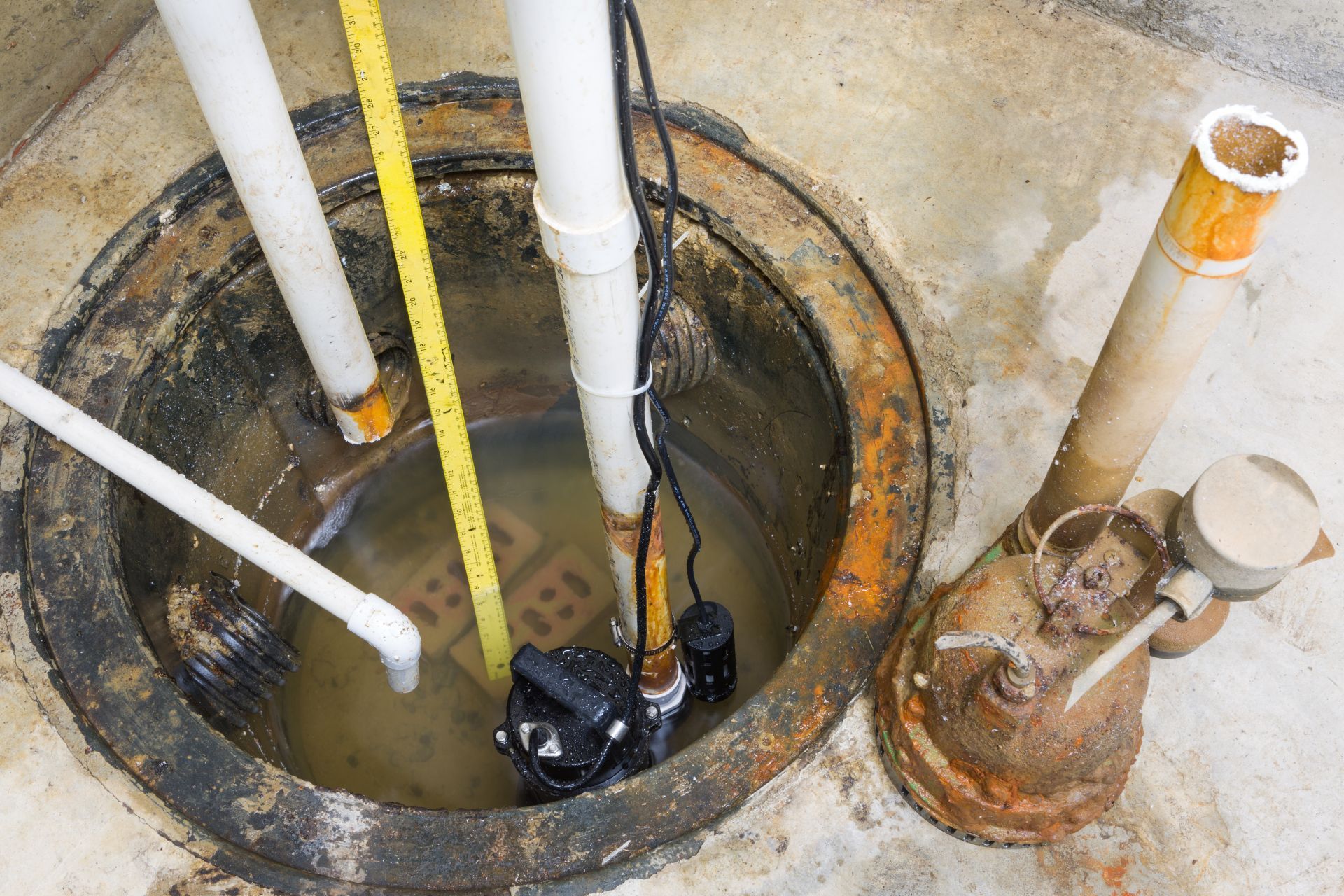
Basement Protection That Actually Works
Sump Pump Replacement in Littleton for homes with aging pumps, failed systems, or frequent basement moisture
A sump pump that cycles constantly without removing water, makes grinding noises, or has stopped running entirely puts your basement at risk during the next heavy rain or snowmelt event. Replacement addresses mechanical failures in aging pumps before water intrusion damages flooring, walls, and stored belongings. EDB Plumbing and Drain Cleaning evaluates existing sump systems throughout Littleton and installs replacement units when inspection reveals motor wear, switch failures, or components that no longer function reliably under load.
The replacement process starts with assessing the current basin size, discharge line routing, and whether the pump capacity matches the water volume your property experiences during peak conditions. A pump rated for insufficient gallons per hour will run continuously without keeping up, while improper discharge routing can cause ejected water to flow back toward the foundation.
Arrange an evaluation if your current pump shows signs of failure before spring runoff or summer storm season begins.
How Replacement Addresses Water Intrusion
Installation involves removing the failed unit, cleaning accumulated sediment from the basin, and mounting the replacement pump at the proper depth with a mechanical float switch or electronic sensor that activates when water reaches the trigger level. Discharge piping connects the pump outlet to exterior lines that carry water away from the foundation, with check valves installed to prevent backflow when the pump cycles off.
After replacement, your basement remains dry during conditions that previously caused water accumulation, the pump cycles on and off efficiently without running constantly, and you no longer hear mechanical grinding or struggling from the basin. The system activates automatically when groundwater enters the basin, then shuts off once the water level drops below the cutoff point.
Code-compliant workmanship includes electrical connections that meet safety standards, proper venting if required, and testing under simulated water conditions before completion. Replacing unreliable pumps before heavy weather events prevents the failure from occurring when you need the system most—during overnight storms or when you're away from the property.
Answers to Frequent Service Questions
Homeowners often ask about replacement timing and system specifications before scheduling sump pump work.
When should I replace rather than repair a sump pump?
Replacement makes sense when the motor shows wear, the pump has operated for seven to ten years, mechanical components have failed, or repair costs approach the price of a new unit with a fresh warranty.
What size pump does my home need?
Pump capacity depends on the rate of water entry during heavy precipitation and the vertical lift required to discharge water above grade—most residential applications use pumps rated between one-third and one-half horsepower.
How is the new pump tested before you leave?
Testing involves filling the basin with water to trigger the float switch, verifying the pump activates and discharges through the exterior line, and confirming the system shuts off properly once the water level drops.
Should I consider a battery backup system?
Battery backup prevents flooding during power outages that often accompany severe storms in Littleton, providing protection when grid power fails and the primary pump cannot operate.
What maintenance does a new sump pump require?
Periodic testing by pouring water into the basin confirms the system activates properly, and annual inspection removes debris that could interfere with float operation or clog the discharge line.
EDB Plumbing and Drain Cleaning uses quality components during installation to provide dependable long-term performance. Schedule an inspection if your sump pump is showing signs of mechanical wear or has failed to keep your basement dry during recent weather events.