Hot Water Sized for Your Household
Water Heater Installation in Littleton for replacements and new installations based on household usage
Households in Littleton experience significant temperature swings throughout the year, and a properly sized water heater ensures you don't run out of hot water during back-to-back showers on cold mornings or when running the dishwasher and laundry simultaneously. EDB Plumbing and Drain Cleaning installs traditional gas and electric water heaters matched to your usage patterns rather than pushing unnecessary capacity upgrades that inflate upfront costs without delivering practical benefits. After installation completes, your system delivers consistent hot water without the recovery lag that signals an undersized unit or the energy waste from heating more water than you'll ever use.
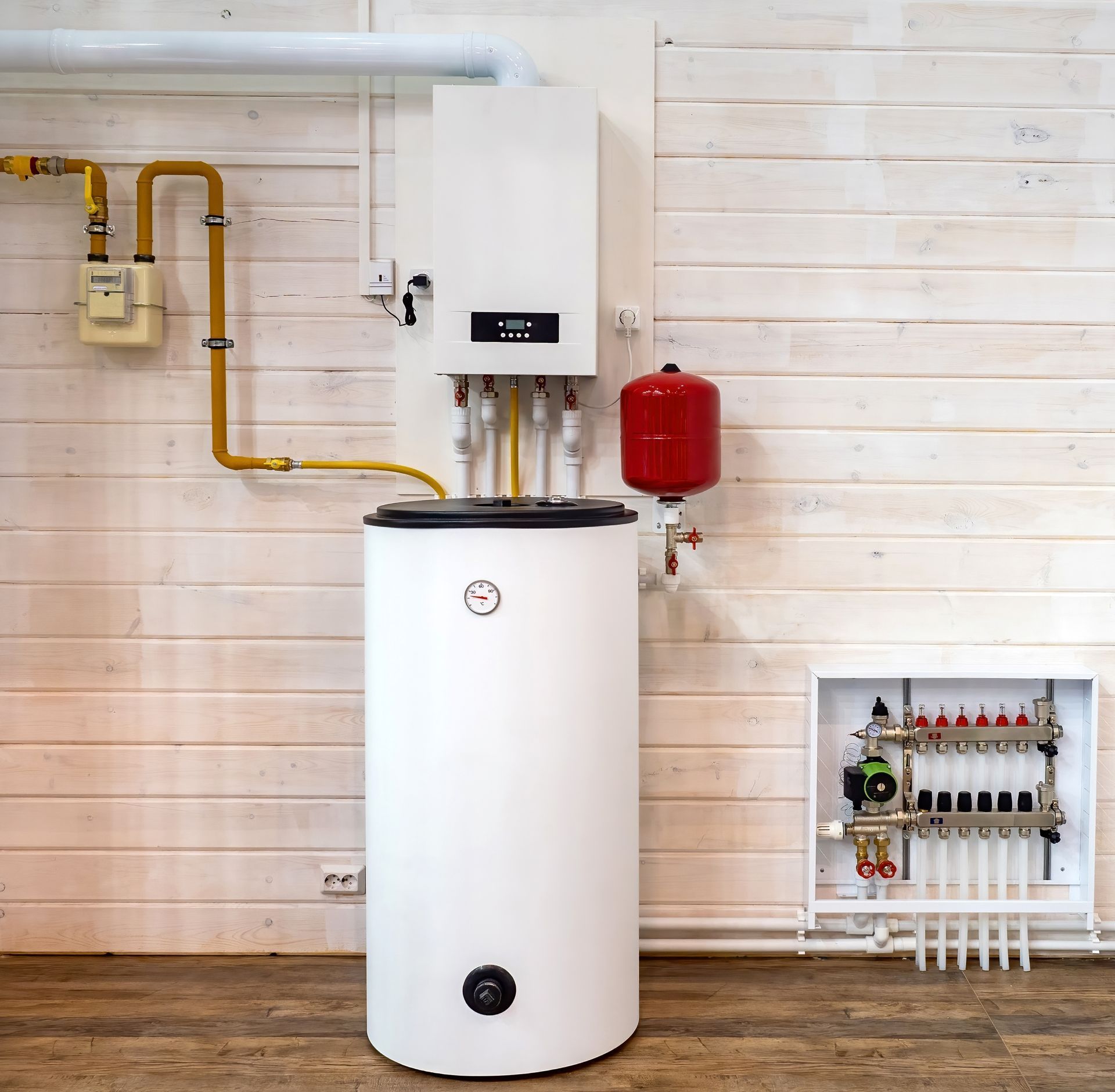
Water heater installation involves more than swapping tanks. Gas units require proper venting to carry combustion gases safely outside, electric models need adequate circuit capacity and breaker sizing, and both types depend on pressure relief valve placement and expansion tank installation to meet code requirements. Skipping these steps creates safety hazards and voids manufacturer warranties that protect your investment.
Schedule an on-site estimate to review equipment options and receive recommendations based on your household size and usage.
How Proper Installation Improves Efficiency and Safety
Installation begins with removing the old water heater and inspecting gas lines, electrical connections, and water supply piping for corrosion or damage that needs correction before the new unit goes in. Technicians position the tank on a drain pan to catch small leaks before they damage flooring, install a new temperature and pressure relief valve, and connect an expansion tank to absorb thermal expansion that otherwise increases pressure inside the system. Gas installations include checking for proper draft through the flue and confirming there's no backdrafting that could introduce carbon monoxide into living spaces.
Once the system fires up, you'll notice water reaches temperature faster with a correctly sized unit, the pilot light remains stable without frequent relighting, and recovery time between high-demand periods shortens compared to an aging or improperly installed heater. The new equipment operates more quietly without the popping or rumbling sounds caused by sediment buildup in older tanks.
EDB Plumbing and Drain Cleaning offers a 10-year warranty on water heaters when the maintenance plan is followed, which includes annual flushing to remove sediment, anode rod inspection to prevent tank corrosion, and pressure relief valve testing to confirm safety mechanisms function correctly. Quality equipment paired with code-compliant installation and routine maintenance extends service life well beyond the baseline expectancy for budget models installed without attention to manufacturer requirements.
Common Questions About This Service
Homeowners replacing water heaters typically want to know about sizing, installation timelines, and what affects the longevity of the new equipment.
How do I know what size water heater I need?
Sizing depends on the number of people in your household, peak usage periods, and whether you run multiple hot water fixtures simultaneously, with a 40-gallon tank typically handling two to three people and a 50-gallon unit covering four to five people in most cases.
What's the difference between gas and electric water heaters?
Gas models heat water faster and cost less to operate in areas where natural gas prices remain lower than electricity, while electric units install more easily in homes without existing gas lines and don't require venting through the roof or exterior wall.
How long does a water heater installation take?
Most residential installations finish within three to four hours when the new unit uses the same fuel type and location as the old heater, though conversions from electric to gas or installations requiring new venting add time depending on the complexity of the modifications.
Why does Littleton require expansion tanks on water heaters?
Local code requires expansion tanks because closed plumbing systems with pressure-reducing valves or backflow preventers trap thermal expansion, and the expansion tank absorbs the increased volume to prevent stress on pipes and fittings that leads to premature failures.
What maintenance does a new water heater need?
Annual flushing removes sediment that settles at the bottom of the tank and reduces heating efficiency, anode rod replacement every few years prevents corrosion that eats through the steel tank, and temperature adjustments prevent scalding while maintaining effective bacteria control.
EDB Plumbing and Drain Cleaning provides honest recommendations that prioritize your household's actual needs over profit margins. Arrange a consultation to discuss your water heater replacement and receive a detailed estimate that includes equipment, labor, and code-required components.